

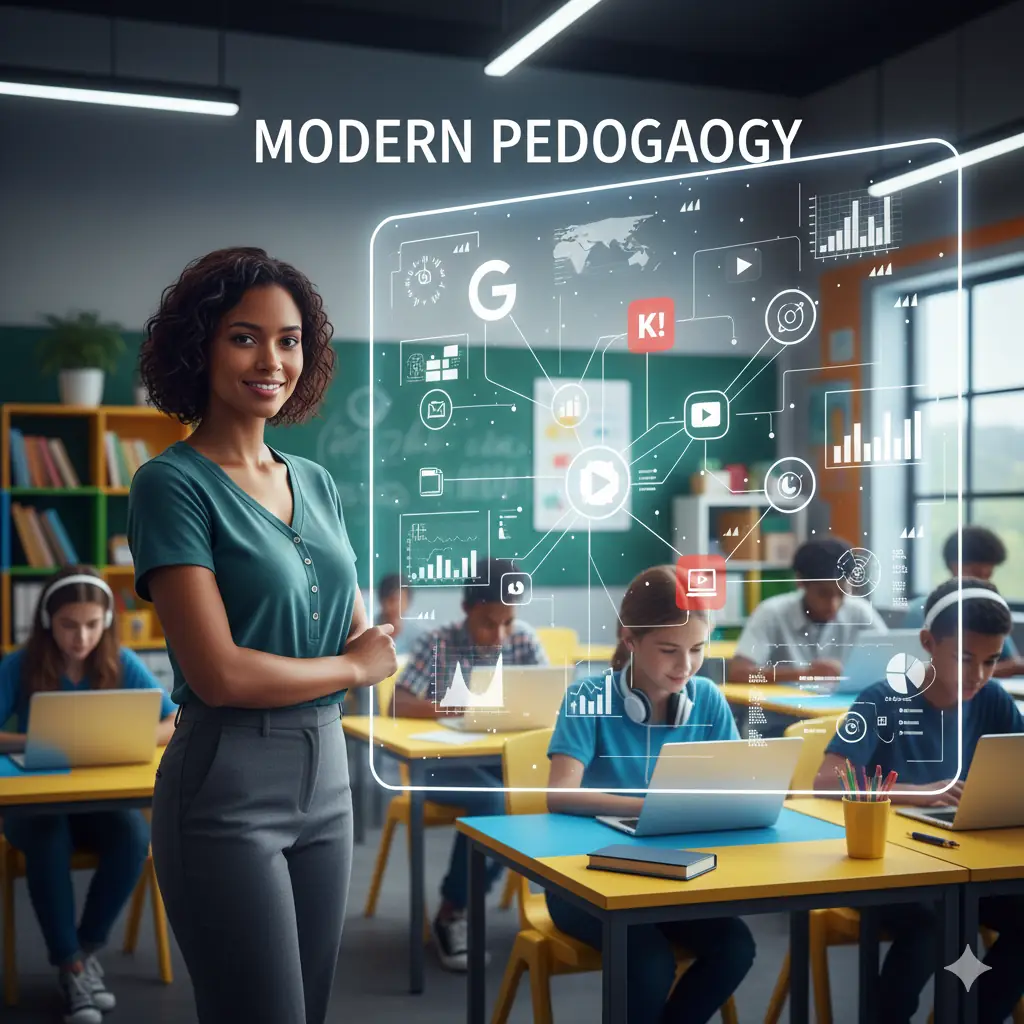
👋 Setting the Stage: Why Integration Matters
Welcome to moneyit.site. As the digital learning landscape evolves, the question for educators is no longer *if* they should use technology, but *how* to integrate it effectively into daily lessons to maximize student outcomes.
Effective EdTech integration isn’t about using the newest gadget; it’s about leveraging tools to solve pedagogical problems, enhance engagement, and personalize the learning experience.
It requires a thoughtful, strategic approach that starts with the lesson objective, not the technology itself. Let’s explore a practical roadmap for achieving seamless technology integration.
🗺️ The Technology Integration Roadmap for Teachers
Successful technology integration follows a clear, objective-driven process. It ensures that the tool serves the lesson, rather than the lesson serving the tool.
Here is a step-by-step approach teachers can use when planning any tech-enhanced lesson:
- Define the Learning Objective: Identify the specific skill or concept students must master. Example: Students must be able to compare and contrast the causes of WWI and WWII.
- Choose the Pedagogical Model: Determine the best teaching method. Will it be direct instruction, collaborative problem-solving, or individualized practice?
- Select the Right Technology: Only now should you choose a tool that *directly* supports the objective and the model. (e.g., using a collaborative whiteboard like Jamboard for the comparison task).
- Design the Activity: Create the steps for the lesson, ensuring the technology is mandatory and non-negotiable for task completion, not just an add-on.
- Assess and Reflect: Use the technology itself to collect data on student performance and refine the activity for next time.
The SAMR Framework: Guiding Your Level of Integration
Many successful teachers use the SAMR (Substitution, Augmentation, Modification, Redefinition) framework to gauge their technology use. This model encourages moving beyond simple substitution towards genuine transformation.
For instance, using a word processor instead of paper (Substitution) is basic. Designing a lesson where students collaboratively publish a multimedia e-book, impossible without technology (Redefinition), is transformative.
🛠️ Strategies for Seamless Implementation
Once the objective is set, implementation strategies ensure the tech runs smoothly and supports the classroom dynamic.
1. Personalization Through Adaptive Tools
Technology excels at addressing diverse learning speeds. Teachers can integrate adaptive learning platforms that automatically adjust content difficulty based on individual student performance.
A student struggling with geometry receives more practice modules, while an advanced student is immediately challenged with complex proofs. This allows the teacher to manage a diverse classroom more effectively.
2. Enhancing Collaboration and Communication
Use technology to facilitate collaboration that goes beyond physical boundaries. Tools like shared documents, virtual discussion boards, or project management software are vital.
For a history project, students across different classes or even different time zones can contribute simultaneously to a single presentation via Google Slides. The technology enables the collaboration.
3. The Flipped Classroom Model
The Flipped Classroom is a powerful integration method. Teachers use technology (pre-recorded videos, narrated slide decks) to deliver core content outside of class time.
In-person class time is then reserved for high-value activities like discussions, complex problem-solving, and one-on-one tutoring. This makes valuable face-to-face time highly active and engaging.
4. Assessment Through Immediate Feedback
Digital tools dramatically speed up the feedback loop. Platforms like Quizizz or Formative provide teachers with instant, granular data on student answers.
This immediate data allows the teacher to adjust the lesson *in real-time*—for example, instantly seeing that 80% of the class missed a specific concept and immediately reteaching it, rather than waiting until the next day.
⚠️ Overcoming Challenges and Ensuring Pedagogy
While the benefits are numerous, thoughtful integration means addressing potential pitfalls. The technology must always serve the pedagogical goal.
| Challenge | Integration Solution |
|---|---|
| The Digital Divide | Prioritize free, universally accessible tools (like Google Workspace) and provide in-school access points. |
| Distraction vs. Engagement | Design tasks where the technology is a *necessary* tool for completion, not just a passive device for content viewing. |
| Privacy Concerns | Use platforms with strong educational privacy policies and avoid collecting unnecessary student data. |
Teacher Professional Development
Teachers must feel confident using the technology. School districts should prioritize ongoing professional development focused not just on *how* to click the buttons, but on the pedagogical theory *behind* the integration.
Confidence in the tool translates directly into better classroom management and greater willingness to experiment with transformative teaching methods.
📈 The Value Proposition of Tech Integration
Integrating technology isn’t just about keeping up with trends; it provides measurable benefits for both teaching and learning.
- Increased Student Retention: Interactive and multimodal content is proven to increase the long-term retention of information.
- Higher Engagement: Tools that gamify learning or allow creative expression lead to higher student interest and participation.
- Data-Driven Instruction: Technology provides immediate, actionable data that enables precise instructional decisions.
Ultimately, a successful technology-integrated lesson is one that achieves the learning objectives more efficiently and more thoroughly than traditional methods could allow.
✅ Conclusion: The Seamless Classroom
Integrating technology into lessons is a continuous journey that requires teachers to remain curious, reflective, and focused on student needs. By prioritizing pedagogical goals over technological novelty, educators can craft truly impactful digital learning experiences.
The successful teacher of today is a designer of learning environments, skillfully blending traditional wisdom with the power of modern tools to prepare students for a digital future. Start small, reflect often, and watch your lessons transform.
