

🌟 Why Does Learning Sometimes Feel Like a Chore?
Let’s be honest: traditional learning, with its long lectures and endless textbooks, can sometimes feel like a real slog. It’s not always because the content isn’t interesting, but often because the *delivery* lacks a spark.
We’ve all experienced that moment when our eyes glaze over during a presentation or our mind drifts off while reading a dry manual. This is where gamification steps in, offering a refreshing solution to a common problem.
It’s about making learning not just effective, but genuinely enjoyable and engaging. By tapping into our natural human desire for play and achievement, gamification transforms the learning experience.
It shifts the focus from passively receiving information to actively participating and striving for progress, making the journey itself a reward.
🎯 What is Gamification, Really?
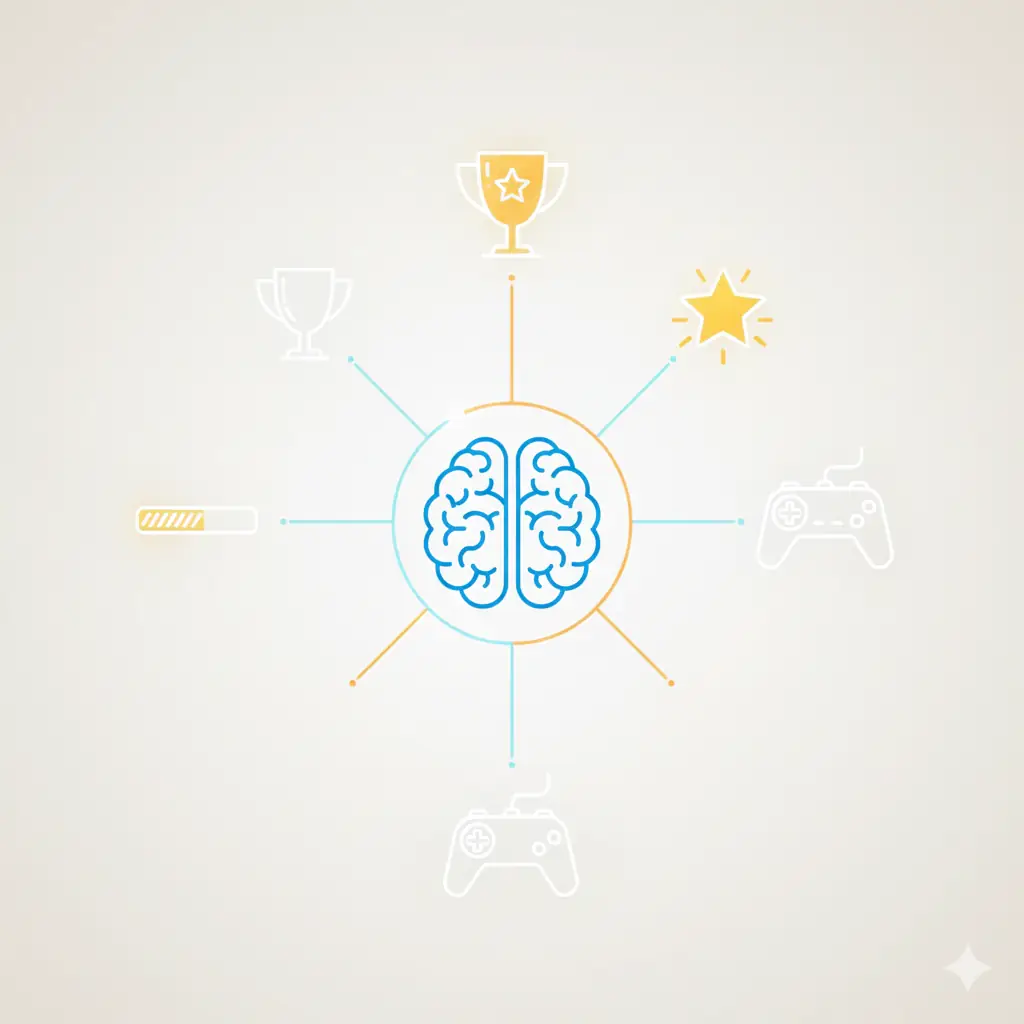
At its core, gamification is the application of game-design elements and game principles in non-game contexts. In learning, this means taking things like points, badges, leaderboards, and challenges, and applying them to educational content.
It’s not about turning your entire lesson into a video game, though that can be part of it. Instead, it’s about strategically incorporating motivational elements that games use so effectively to keep players hooked.
Think about fitness apps that give you badges for hitting milestones or language-learning apps that award points for daily practice. These aren’t games in themselves, but they use game mechanics to drive engagement.
The goal is to increase participation, motivation, and loyalty, creating a more dynamic and rewarding educational journey for the learner.
Key Elements of Gamified Learning
To truly understand how gamification works, it’s helpful to break down its common components. These are the tools in the gamifier’s toolkit, each serving a specific purpose in motivating learners.
- Points: Simple, immediate feedback for completing tasks, much like scoring points in a game.
- Badges/Awards: Digital trophies that signify achievement, skill mastery, or completion of specific modules.
- Leaderboards: Public or private rankings that foster friendly competition and show progress relative to peers.
- Challenges/Quests: Structured tasks or series of tasks that guide learners through content with a clear objective.
- Narrative/Storytelling: Placing learning within an engaging story context, making the content more relatable and memorable.
- Immediate Feedback: Providing instant responses to actions, helping learners understand right away what they did well or where they need to improve.
🚀 How Gamification Boosts Engagement and Retention
The real magic of gamification lies in its ability to tap into our intrinsic motivations. It makes learning less about obligation and more about personal growth and achievement.
When you earn points for completing a module, it provides instant gratification and a sense of accomplishment. Badges act as visual representations of skill mastery, giving learners something tangible to show for their effort.
Leaderboards, while sometimes controversial, can be powerful motivators for those who thrive on competition, pushing them to learn more and achieve higher scores. It transforms a solo effort into a collective, albeit competitive, experience.
Moreover, the challenge-based structure encourages persistence. Instead of giving up, learners are prompted to try again, fostering a resilient attitude towards difficult material.
💡 Pro Tip: When designing gamified learning, always prioritize the learning objective. Game elements should enhance, not distract from, the educational content.
🌍 Real-World Examples in Action
Gamification isn’t just a theoretical concept; it’s being successfully applied in various educational and corporate settings today. You’ve likely encountered it without even realizing.
Consider language learning apps like Duolingo, which use streaks, points, and level-ups to keep users practicing daily. It feels less like studying and more like playing a fun, rewarding game.
In corporate training, gamification is used to make compliance courses less tedious. Instead of reading a dry PDF, employees might engage in a scenario-based simulation where choices lead to points or penalties.
Even in traditional classrooms, teachers use tools like ClassDojo for behavior management and engagement, awarding points for positive actions and creating a sense of shared responsibility.
These examples highlight how versatile and impactful gamification can be across different learning environments and demographics.
🚧 Potential Pitfalls and Best Practices
While powerful, gamification isn’t a silver bullet. If poorly implemented, it can fall flat or even demotivate learners. The key is thoughtful design and a clear understanding of your audience.
One common pitfall is over-gamification, where the game elements overshadow the learning content. If learners are only focused on earning points and not understanding the material, it defeats the purpose.
Another challenge is catering to different learner types. Not everyone is motivated by competition; some prefer collaboration. A good gamified system offers various ways to succeed and be recognized.
Notes for Effective Gamification:
- Clearly define learning objectives first.
- Understand your audience’s motivations.
- Balance rewards with meaningful learning.
- Provide choices and agency to learners.
- Iterate and gather feedback regularly.
🔮 The Future of Learning is Playful
As technology continues to advance, the potential for gamification in learning will only grow. We can expect more sophisticated adaptive systems that personalize challenges and rewards based on individual progress.
Imagine AI-powered virtual tutors that can dynamically create game-like scenarios to test your understanding, or augmented reality experiences that turn your classroom into an interactive learning quest.
The goal is to foster a lifelong love of learning, and gamification is proving to be an incredibly effective tool in that mission. It reminds us that learning doesn’t have to be rigid or dull.
By blending the joy of play with the rigor of education, we can create more impactful, memorable, and ultimately, more successful learning experiences for everyone.
