

🌱 The Power of ‘Yet’: Understanding Growth Mindset
In education, few concepts are as transformative as the growth mindset. Popularized by Dr. Carol Dweck, it’s the belief that our abilities and intelligence are not fixed, but can be developed through dedication and hard work.
Contrast this with a ‘fixed mindset,’ where individuals believe their talents are inherent and unchangeable. A student with a fixed mindset might say, “I’m just not good at math,” and give up.
A student with a growth mindset, however, would say, “I’m not good at math *yet*,” seeing challenges as opportunities to learn and improve. This simple shift in perspective is incredibly powerful.
Educational technology (EdTech) provides a unique and dynamic toolkit to cultivate this invaluable growth mindset in learners of all ages.
💡 Personalized Learning Paths: Learning at Your Own Pace
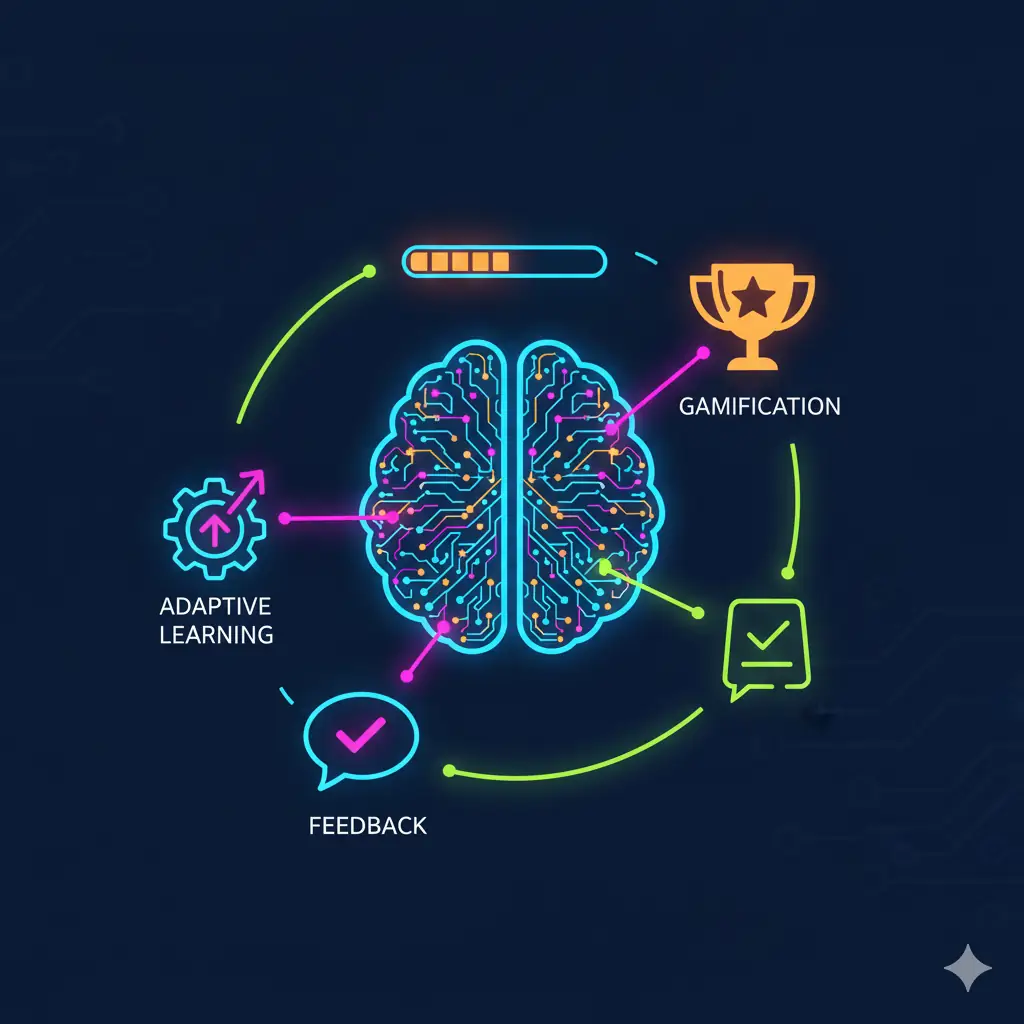
One of the most direct ways EdTech fosters a growth mindset is through personalized learning platforms. These tools adapt to each student’s pace, identifying areas where they need more practice without judgment.
For example, an adaptive math program will offer more practice problems on fractions if a student struggles, rather than simply moving on. This allows for repeated attempts and eventual mastery, building confidence.
This approach removes the pressure of keeping up with a whole class, letting students feel secure in the process of gradual improvement. They learn that persistence, not just innate talent, leads to success.
The journey to mastery becomes visible and celebrated, reinforcing that effort makes a difference.
Immediate, Constructive Feedback
Effective feedback is a cornerstone of a growth mindset. EdTech excels at providing instant, targeted, and non-judgmental feedback, which is crucial for learning from mistakes.
Online quizzes often provide immediate explanations for incorrect answers, helping students understand *why* they were wrong. AI-powered writing tools can offer suggestions for improvement without a student feeling personally criticized.
This timely feedback loop transforms errors into learning opportunities. Students can immediately revise and re-attempt, quickly correcting misunderstandings rather than letting them fester.
It teaches them that mistakes are part of the learning process, not a sign of failure.
🎯 Visualizing Progress and Effort
Seeing tangible evidence of progress is incredibly motivating for developing a growth mindset. EdTech platforms often provide powerful visualization tools to track learning journeys.
Dashboards can show students their improvement over time—how many concepts they’ve mastered, how their scores have increased, or how much time they’ve dedicated to a subject. This visibly links effort to outcome.
For example, a language learning app might show a student’s vocabulary growth chart over months, making their hard work in learning new words explicitly clear.
These visual cues reinforce the idea that effort and strategy lead to measurable improvement, strengthening the belief in their own capacity to learn.
🎮 Gamification: Embracing Challenges and Resilience
Gamification in education involves applying game-like elements to learning, fostering engagement and resilience—key components of a growth mindset. It makes learning feel less like a chore and more like a challenge to overcome.
Apps often feature levels, badges, points, and leaderboards. When students ‘level up’ or earn a badge after mastering a skill, it celebrates their achievement and encourages them to tackle the next challenge.
The experience of failing a level in a game only to try again, learning from mistakes, perfectly mirrors the growth mindset in action. It teaches perseverance in a low-stakes, engaging way.
It transforms the learning journey into an exciting quest for knowledge, where setbacks are just part of the adventure.
| EdTech Feature | Growth Mindset Impact |
|---|---|
| Adaptive Learning | Tailored pace, builds mastery gradually |
| Instant Feedback | Transforms mistakes into learning opportunities |
| Progress Tracking | Visualizes effort leading to improvement |
| Gamification | Encourages resilience, makes challenges fun |
🤝 Fostering Collaboration and Peer Learning
Many EdTech tools facilitate collaborative learning, where students work together, share ideas, and provide constructive feedback to one another. This fosters a growth mindset by showing that learning is a shared journey.
Online discussion boards, collaborative document editing, and virtual group projects encourage students to learn from their peers’ strengths and offer support to those who are struggling.
This helps students see that asking for help or offering help is a sign of strength, not weakness, and that collective effort can lead to superior outcomes.
It builds a supportive learning community where everyone feels empowered to grow and contribute.
🌟 EdTech as a Catalyst for Potential
Educational technology is not just about delivering content; it’s about shaping mindsets. By providing personalized pathways, immediate feedback, visible progress, and engaging challenges, EdTech empowers students to believe in their own potential.
It moves them from a limiting ‘I can’t’ to an expansive ‘I can and I will, with effort.’ This shift is profound, impacting not only academic success but also their overall approach to life’s challenges.
Embracing these tools thoughtfully allows educators to be architects of confidence and resilience, truly preparing students for a future where adaptability and a love for learning are paramount.
