

🧠 Attention Spans in the Digital Age
In our fast-paced, digital world, our attention spans are constantly challenged. We’re used to quick updates, short videos, and instant information. This shift has profound implications for how we learn and retain knowledge.
Traditional long lectures or dense textbooks, while valuable, often struggle to keep learners engaged in an environment accustomed to rapid content consumption. This is where a powerful new trend comes into play.
That trend is microlearning, an educational approach that breaks down complex topics into small, focused, and easily digestible chunks. It’s designed to fit seamlessly into our busy lives.
Think of it as learning in ‘bite-sized pieces’ rather than consuming an entire meal at once. This approach isn’t just convenient; it’s remarkably effective for modern learners.
⏳ What Exactly is Microlearning?
At its core, microlearning delivers educational content in short, impactful bursts, typically lasting anywhere from a few seconds to 10-15 minutes. Each ‘micro-lesson’ focuses on a single learning objective.
Instead of a 60-minute module on ‘Project Management Fundamentals,’ microlearning might offer individual 5-minute lessons on ‘Defining Project Scope,’ ‘Creating a Work Breakdown Structure,’ and ‘Risk Identification.’
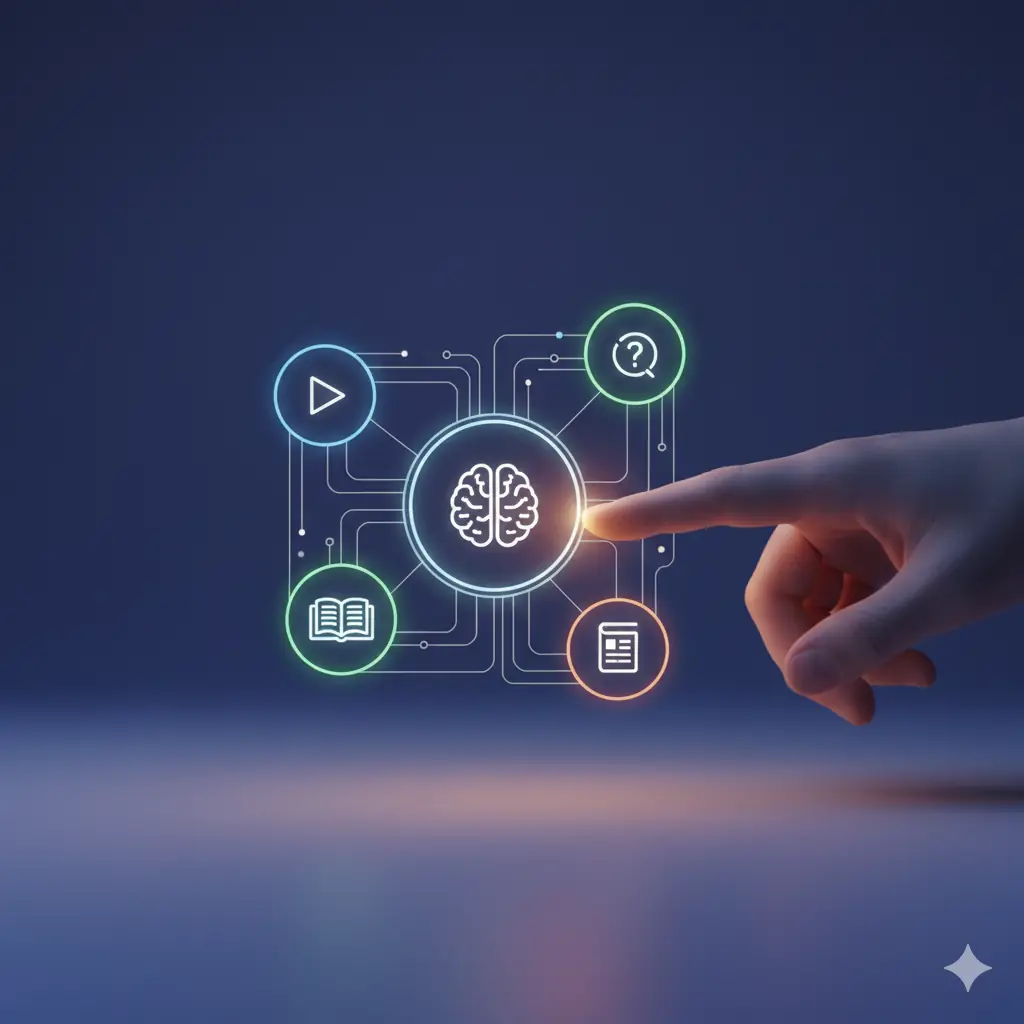
These short lessons can take many forms: brief videos, interactive quizzes, infographics, short articles, flashcards, or even quick game-based challenges. The format is as flexible as the content is concise.
The goal is to provide just enough information to achieve a specific learning outcome, making it easier for learners to consume and apply new knowledge quickly.
Why Microlearning Works So Well
Microlearning’s effectiveness stems from several psychological and practical advantages that align perfectly with how our brains naturally process information and how modern lives are structured.
- Matches Attention Spans: Short bursts of content align with our reduced attention spans, preventing cognitive overload.
- Boosts Retention: Spacing out learning with short, focused sessions and frequent recall activities improves long-term memory.
- Highly Flexible: Learners can fit micro-lessons into small gaps in their day—during a commute, waiting for an appointment, or a coffee break.
- Targeted Learning: Students can quickly find and consume only the specific information they need at that moment, rather than sifting through long modules.
- Increased Engagement: The variety of formats and rapid completion of tasks can make learning feel less daunting and more rewarding.
🚀 Practical Applications: Where Microlearning Shines
Microlearning isn’t just a theory; it’s being widely adopted across various sectors, from formal education to corporate training, due to its demonstrable effectiveness.
In corporate training, microlearning is invaluable for quickly onboarding new employees, updating staff on new policies or software features, or providing just-in-time performance support. For example, a sales rep needing a quick refresher on a product feature can watch a 2-minute video right before a client call.
In formal education, micro-lessons can serve as supplemental material, quick refreshers before exams, or as part of a flipped classroom model where students consume short content before class to free up in-person time for discussion.
For personal development, apps offering language learning or skill-building often employ microlearning. Duolingo’s short, gamified lessons are a perfect example of this in action.
Microlearning Insight: It’s not about making complex topics simple; it’s about breaking them into manageable, coherent units that build towards mastery.
🛠️ Designing Effective Micro-Lessons
Creating good micro-lessons requires more than just shortening content. It demands careful instructional design to ensure each segment is impactful and contributes to a larger learning goal.
- Define a Single Objective: Each micro-lesson should address only one clear learning outcome. What should the learner know or be able to do after this short burst?
- Keep it Concise: Ruthlessly edit content to remove anything superfluous. Get straight to the point without excessive introductions or conclusions.
- Vary Formats: Use a mix of videos, infographics, quizzes, and short texts to maintain engagement and cater to different learning styles.
- Ensure Accessibility: Make sure micro-lessons are easily viewable on mobile devices, as many learners will access them on the go.
- Integrate with a Larger Curriculum: While short, each micro-lesson must fit into a cohesive learning path, building knowledge incrementally towards a broader goal.
🔮 The Future of Learning: Continuous and Flexible
As our lives become even more connected and demanding, the need for flexible, efficient learning solutions will only grow. Microlearning is perfectly positioned to meet this demand.
It supports the idea of continuous learning, where education isn’t confined to a specific period but is an ongoing process integrated throughout our lives and careers.
Expect to see microlearning becoming an even more fundamental component of online courses, professional development, and even traditional classroom settings, enabling more agile and responsive education.
By embracing the power of bite-sized knowledge, we can unlock more effective and accessible learning experiences for everyone, anytime and anywhere.
