

🤝 What Exactly is Blended Learning?
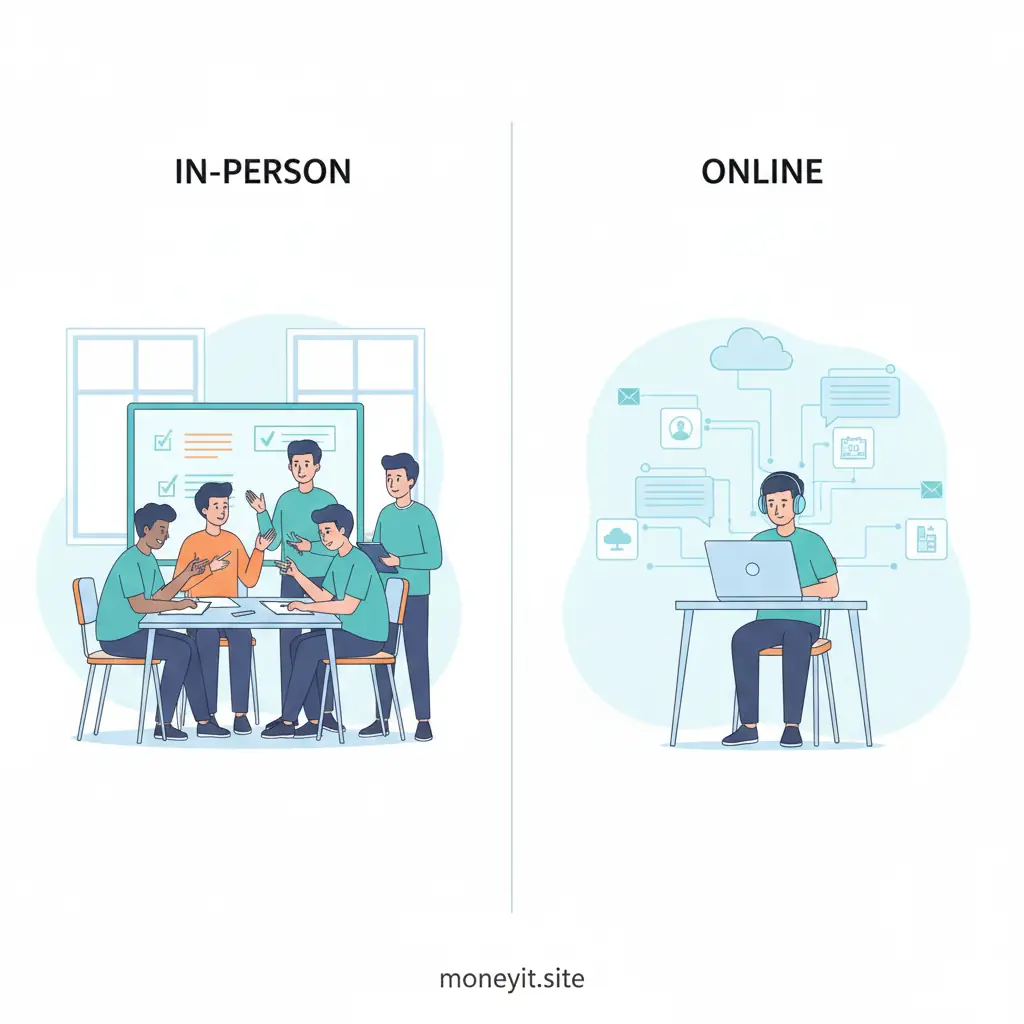
Blended learning, sometimes called hybrid learning, is an educational approach that combines elements of traditional, face-to-face instruction with online, digital learning. It’s not just using a tablet in class; it’s a strategic fusion of two environments.
The key here is the intentional integration. In a truly blended model, the online portion is not just homework; it’s an integral part of the curriculum that actively supplements and complements the in-person work.
It aims to leverage the unique strengths of each mode. For instance, digital tools handle the efficient delivery of content, while the classroom time is preserved for deeper human interaction and collaboration.
This approach allows educators to create a more flexible, personalized, and efficient learning journey for their students.
🔄 The Mechanics: How the Blend Works
There are several common models of blended learning, but they all share the core principle of dividing time between a physical setting and a digital one. This division is what maximizes the learning potential.
The Flipped Classroom Model
The Flipped Classroom is one of the most popular blended models. In this approach, students consume instructional content—like watching video lectures—at home, at their own pace.
This frees up valuable in-class time for interactive activities, guided practice, problem-solving, and in-depth discussion. The teacher moves from being a lecturer to being a facilitator and coach.
For example, students learn the rules of grammar by watching videos before class, and then use class time to write and critique short stories with real-time feedback from the teacher.
This ensures that students receive support when tackling the hardest part of learning: applying the concepts.
The Rotational Model
The Rotational Model involves students rotating on a fixed schedule between different learning stations. Some stations are online and self-paced, while others involve small-group instruction with the teacher.
In a classroom using this model, one group might be working on an adaptive math software program (online), while another group is receiving specialized remedial help from the teacher (in-person).
This method allows the teacher to dedicate focused time to small groups of students, addressing individual learning needs effectively while the other students are productively engaged digitally.
✅ The Benefits: Why Blended Learning Excels
The popularity of blended learning isn’t just a trend; it’s supported by several strong pedagogical and practical advantages that improve the educational experience for everyone involved.
1. Enhanced Personalization
Digital components, especially those using adaptive learning technology, allow students to move at their optimal pace. If a student needs extra time on a subject, the online platform provides it without holding back the class.
Conversely, students who quickly master a concept can jump ahead to enrichment materials. This level of personalization is incredibly difficult to achieve in a purely traditional classroom setting.
2. Increased Flexibility and Access
Blended learning introduces significant flexibility, making education more accessible. Students can revisit recorded lectures or access supplementary materials at any time, accommodating diverse schedules.
This is especially beneficial for students who may miss class due to illness, or those who need to manage their studies alongside part-time jobs or family obligations.
3. Better Use of Face-to-Face Time
By moving content delivery to the online space, teachers regain valuable class time. This time can be used for deep, meaningful, social, and hands-on learning activities that truly require human interaction.
Activities like debates, collaborative projects, peer tutoring, and complex critical thinking discussions flourish when the foundational knowledge has already been acquired digitally.
🔥 Quick Insight: Blended learning treats teacher-led instruction as a premium resource, reserving it for activities that truly benefit from human guidance and social learning.
🚧 Challenges in Implementation
While the benefits are clear, successfully implementing blended learning requires planning and infrastructure. It’s important to acknowledge the hurdles involved.
One major challenge is ensuring digital equity. Every student needs reliable internet access and a functional device outside of school hours to fully participate in the online component of the course.
Another challenge is the need for teacher training. Educators must be comfortable with the technology, and more importantly, they must be trained to redesign their lessons for a dynamic, blended environment.
The design must also be cohesive; if the online and offline components don’t seamlessly connect, the blended model will feel disjointed and inefficient to the students.
🔮 The Future of the Blended Classroom
Blended learning is quickly moving from an innovative option to a standard educational practice. As EdTech continues to advance, the blend will become even more sophisticated.
Expect to see more AI-driven systems that automatically optimize the blend for each individual student, suggesting the precise mix of online practice and in-person mentorship needed.
Ultimately, blended learning offers a pathway to future-proof education, preparing students not just with content knowledge, but also with the essential digital and self-management skills required for success in the 21st century workplace.
